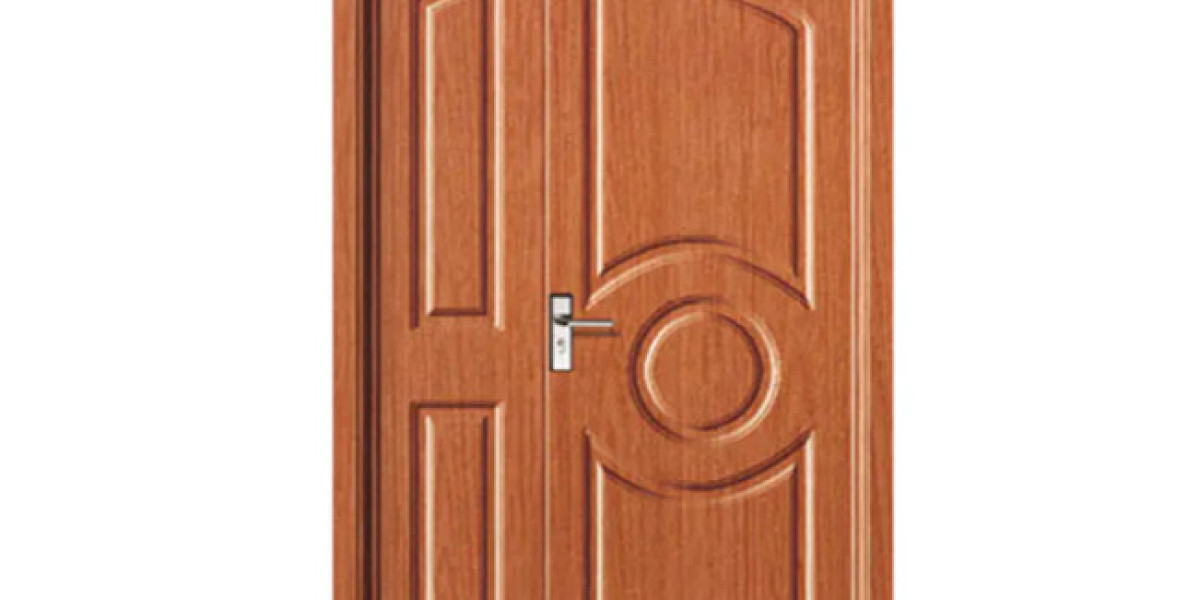

PVC MDF Door has become increasingly common in contemporary interiors, offering a combination of durability, design versatility, and ease of maintenance. Unlike solid wood doors, PVC MDF Door integrates medium-density fiberboard (MDF) with a PVC coating, which provides resistance to moisture, scratches, and everyday wear. This blend of materials allows homeowners and designers to achieve both aesthetic appeal and functional reliability without the extensive upkeep often associated with traditional wooden doors.
One of the notable advantages of a PVC MDF Door is its adaptability. These doors are available in a variety of styles, colors, and finishes, making it possible to match the overall interior design theme seamlessly. From classic panel designs to modern minimalist looks, PVC MDF Door offers options that fit different tastes and settings. The surface of the door can also be textured or laminated to mimic natural wood grains or other decorative patterns, providing the visual appeal of wood without some of its limitations.
Another reason PVC MDF Door is valued in both residential and commercial spaces is its resistance to environmental factors. MDF alone can be susceptible to warping or swelling when exposed to moisture, but the PVC layer adds a protective barrier. This makes the door suitable for areas such as kitchens, bathrooms, or humid climates, where traditional wooden doors might suffer damage over time. Additionally, the PVC layer contributes to the door's ease of cleaning; a simple wipe with a damp cloth can remove dirt, dust, or minor stains.
Installation of PVC MDF Door is generally straightforward. These doors are lighter than solid wood doors, which reduces the strain on hinges and frames and allows for easier handling during transportation and fitting. Contractors and DIY enthusiasts alike can appreciate the convenience that comes with working with a material that balances strength and manageability. Moreover, the uniform structure of MDF reduces the risk of cracks or splits, ensuring that the door maintains its shape and appearance for years.
In terms of sustainability, PVC MDF Door offers an environmentally conscious choice. MDF is often produced using wood fibers that might otherwise be discarded, and modern manufacturing processes aim to minimize waste. While PVC is a synthetic material, manufacturers increasingly explore options that improve the recyclability and lifespan of the coating. Choosing PVC MDF Door can contribute to a longer-lasting interior solution, potentially reducing the frequency of replacements compared to less durable alternatives.
Designers also appreciate the flexibility of PVC MDF Door when it comes to hardware and accessories. Hinges, handles, and locks can be installed with minimal effort, and the smooth surface ensures a consistent finish around fittings. Additionally, PVC MDF Door can be customized in size or panel configuration, offering solutions for both standard and non-standard openings.
PVC MDF Door represents a balance between aesthetic versatility, practical performance, and maintenance convenience. Its combination of MDF core and PVC surface allows for doors that retain their appearance and function under conditions that might challenge traditional materials. As interior design trends continue to prioritize durability and ease of care, PVC MDF Door remains a relevant and adaptable option for various environments.