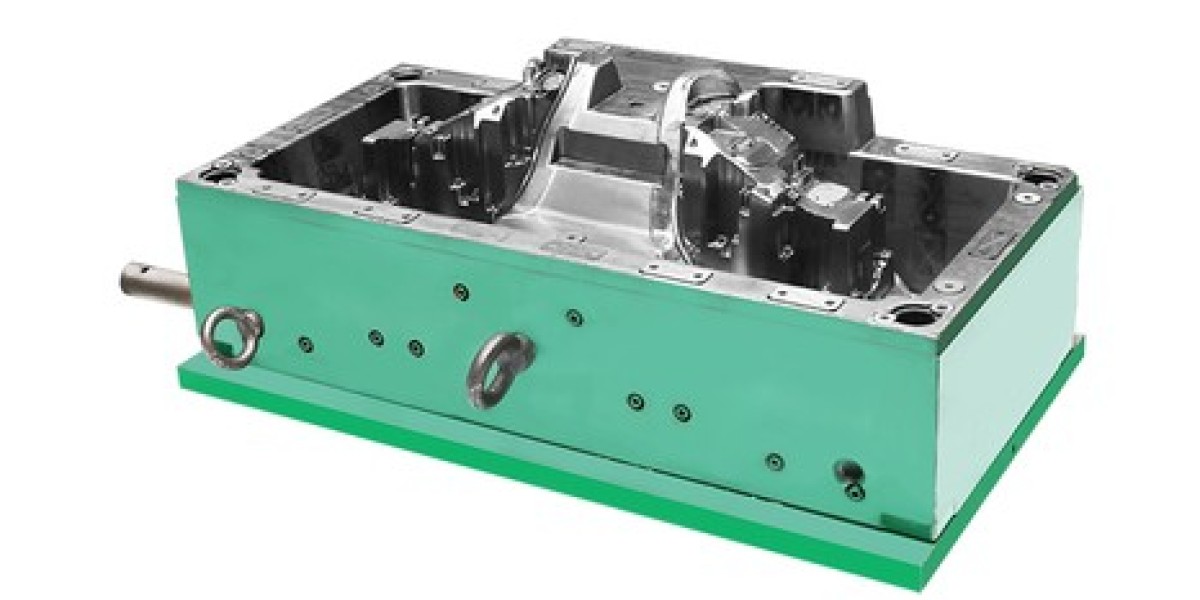

The work of a Plastic Injection Mold Maker involves transforming design intent into functional production tools capable of repeated operation. Each mold must perform reliably across thousands or millions of cycles, requiring careful coordination between engineering knowledge and practical craftsmanship. This balance defines the profession and shapes production outcomes.
Early-stage analysis sets the foundation. A Plastic Injection Mold Maker reviews part geometry to identify potential molding challenges such as thin walls or complex undercuts. These features influence mold structure, parting lines, and ejection methods. Anticipating issues early reduces modification time later in the process.
Tool structure design reflects both function and durability. Core and cavity layouts must align precisely to avoid flash or deformation. A Plastic Injection Mold Maker plans these elements to ensure smooth opening and closing motion. Alignment components and guiding systems maintain consistency during long production runs.
Material flow management remains a constant consideration. Melt behavior affects surface appearance and internal strength. A Plastic Injection Mold Maker selects runner layouts that encourage balanced filling across cavities. Proper venting prevents air traps, allowing plastic to fill detailed areas without defects.
Manufacturing accuracy relies on controlled machining processes. CNC equipment handles complex geometries, yet manual adjustments remain important. A Plastic Injection Mold Maker polishes surfaces and fine-tunes fits to achieve intended results. This combination allows precision without losing flexibility during revisions.
Production efficiency depends on effective ejection design. Molded parts must release smoothly without damage. A Plastic Injection Mold Maker chooses ejection pin placement and motion sequences based on part shape and material stiffness. Reliable ejection reduces downtime and preserves part quality.
Testing serves as a critical validation step. Trial production reveals real-world performance, exposing issues that simulations may not predict. A Plastic Injection Mold Maker evaluates samples for dimensional accuracy and appearance. Refinements continue until output meets technical requirements.
Maintenance planning supports long-term operation. Molds experience wear due to friction and thermal cycling. A Plastic Injection Mold Maker incorporates replaceable components and accessible cleaning areas. These features simplify servicing and extend operational lifespan.
The Plastic Injection Mold Maker works within evolving manufacturing environments. Advances in digital modeling, machining technology, and material science continue influencing daily practice.